The More Amenities, the Better Visit? A Common Planning Mistake
Casino resort amenities are easier to choose when guests can see how dining, entertainment, and recreation fit the occasion they have in mind.
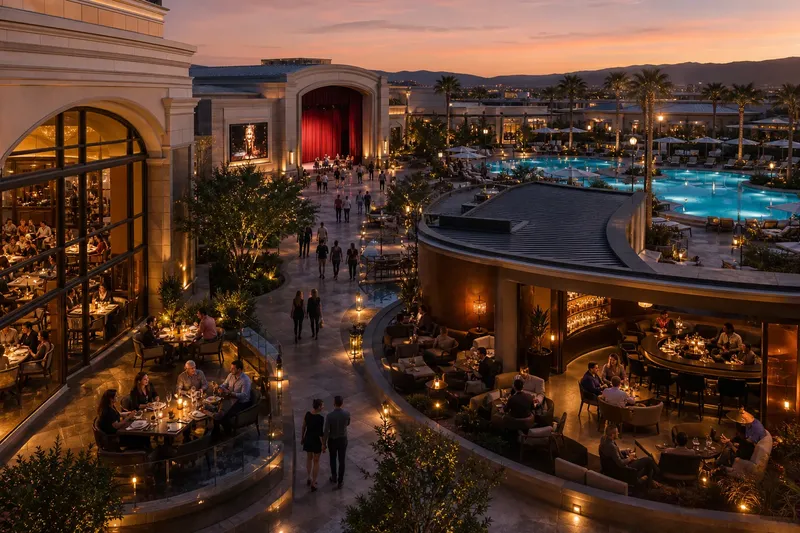
Casino resort amenities work best when they give guests distinct reasons to choose the property, not simply more places to visit. Dining, live entertainment, recreation, and wellness can each shape a stay, but adding another option does little if it duplicates an existing one or does not suit the resort’s identity.
Purposeful amenities
An amenity is a service, space, or attraction that supports a guest’s visit. A theater may make the resort a destination for a night out; a pool may make it more appealing to guests seeking recreation; a spa may offer a quieter counterpoint to the casino floor.
The planning question is what role an option fills. A distinct role could mean drawing a different audience, supporting a longer stay, or creating a reason to visit at a different time of day. If a proposed lounge serves the same occasion as an existing bar, the resort should be able to explain what makes the experience meaningfully different.
Write the intended guest occasion in plain language before settling on a venue concept. “A relaxed place for a drink after a show” is more useful for planning than “a new lounge.”
Three portfolio shapes
Focused offer
A focused offer centers on a few related experiences. A resort might build its identity around live performances and dining, with restaurant choices that suit different parts of the evening. Guests can understand the theme quickly, though people seeking family activities or quiet recreation may find fewer options.
Related activity group
A related group brings several venues together around an occasion or audience. A theater, a late-night lounge, and restaurants with different service styles could all support an evening out. The venues need not look alike, but their roles should complement one another rather than compete for the same guest and time.
Broad portfolio
A broad portfolio can include a spa, pool, live events, family recreation, specialty dining, and nightlife. It can offer varied experiences to guests traveling together, but each option should have a recognizable purpose. If categories blur, the assortment may feel like a collection of unrelated facilities instead of a designed resort experience.
How should amenities fit together?
How do operators spot overlap?
Compare the occasions each venue serves, such as a quiet meal, a celebratory dinner, or a late-night drink. If two options appear interchangeable, define a distinct audience or experience for each, or reconsider whether both belong in the plan.
What does a resort identity contribute?
A clear identity helps operators decide which concepts reinforce the property and which feel out of place. It need not limit the resort to one kind of guest, but it gives the portfolio a coherent point of view.
Can a smaller offer feel complete?
Yes, if its choices serve different needs or moments. A handful of well-defined dining and entertainment options can feel more intentional than a larger assortment whose purpose is hard to explain.
When is a new attraction worth considering?
Consider it when it serves a distinct guest occasion, adds a useful dimension to the property, and has a workable operating plan. If its role remains vague, refine the concept before committing resources.
Assess the concept
Use these checks to distinguish a meaningful addition from an attractive idea without a clear place in the resort. Each observation points to a decision, including an alternative action when the fit is weak.
- Guest occasion: Check whether the proposal names a specific occasion, such as a family afternoon or a post-show drink. If it does, describe that occasion in the concept; if not, define one before developing the venue further.
- Portfolio role: Check whether the activity adds a different experience from existing venues. If it does, explain the distinction; if not, redesign the offer or drop the proposed addition.
- Audience fit: Check whether the likely audience fits the resort’s guest mix and identity. If it does, shape the concept for those guests; if not, revise the intended audience or choose a concept that better fits the property.
- Time of day: Check which part of a guest’s visit the attraction is meant to serve. If it adds a useful option at that time, retain the proposed role; if it duplicates a busy existing period, consider a different schedule or occasion.
- Experience contrast: Check whether the new option offers a different mood, format, or level of formality. If guests can readily tell it apart, preserve that contrast in the design; if not, sharpen the concept or combine it with an existing venue.
- Operating fit: Check whether the concept can be supported by the property’s available space, teams, and service model. If the fit is workable, proceed to detailed planning; if not, reduce the scope or select an option that uses existing capabilities.
- Portfolio balance: Check whether the proposal adds variety without making the overall offer harder to understand. If it strengthens the mix, keep it under consideration; if it adds clutter, simplify the portfolio or clarify its categories first.
Imagine a resort with a theater, two restaurants, and an unused lounge considering a comedy program. The invented starting point is that the lounge is currently empty in the evenings and the restaurants already serve dinner guests. The planner identifies the occasion as a casual post-dinner show, then compares it with the theater’s scheduled performances. If the theater already offers comedy on the same evenings, the new program would overlap; the planner could instead test a distinct format in the concept, such as an informal late-night set, or set the lounge idea aside. If the formats serve different occasions, the planner can retain the proposal for operating review. The decision turns on the program’s distinct role, not on the lounge simply being available.
Investment and identity
A venue concept also makes a statement about what kind of resort the property wants to be. A family activity area, a high-energy performance space, and a quiet wellness setting each call for different design choices and service expectations. The choice affects more than decor: it can shape who feels welcome and what guests expect from the rest of the property.
That does not mean every amenity must appeal to every guest. A resort can serve different audiences through clearly defined venues. The useful test is whether each option belongs to a larger, understandable portfolio rather than appearing as an isolated feature.
Before committing to a concept, compare its purpose with the resort’s existing offer and intended identity. If the fit is unclear, revise the concept while it is still easy to change.
Keep the portfolio coherent
Casino resort amenities can be focused, grouped around related occasions, or spread across a broad portfolio. None of those shapes is automatically best. The right choice depends on the property’s identity, the experiences it wants to offer, and whether each proposed venue has a distinct role.
When evaluating casino resort amenities, begin with the guest occasion each one serves and compare that role with the existing mix. That simple distinction can reveal whether to develop a new concept, reshape an existing one, or leave the portfolio as it is.