A Calm Arrival Plan for a First-Time Resort Guest
A calm arrival plan for a first-time resort guest helps you choose a shared priority, set personal boundaries, and leave room to rest or change plans.
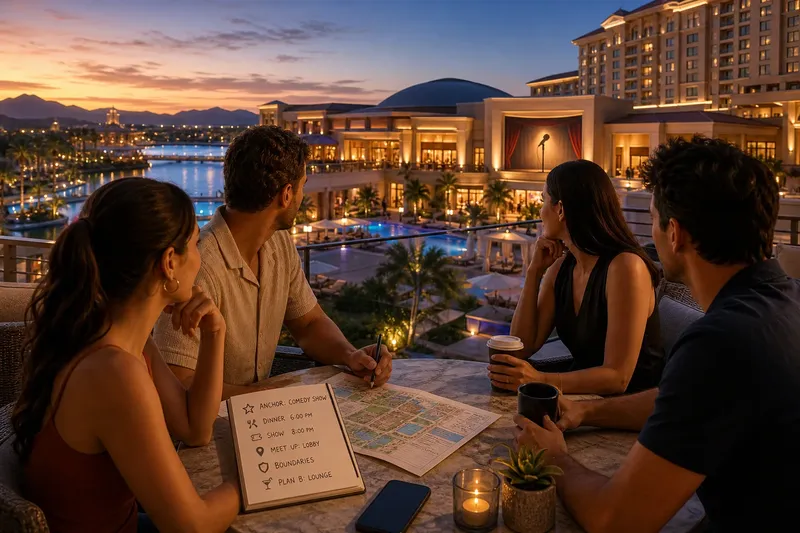
A calm arrival plan for a first-time resort guest starts with one shared priority, not a tour of every amenity. Choose a show, a meal, or a quiet break as the visit’s anchor, then let the rest of the day respond to the people in your group.
Resort visits can involve different preferences, energy levels, and comfort with casino gaming. A small number of clear decisions makes it easier to enjoy time together without requiring everyone to make the same choices all evening.
Choose One Anchor
An anchor is the experience that gives a visit its shape. It could be a concert, a dinner reservation, or time by the pool. Choose something the group genuinely wants to do, then avoid treating every other option as another item to complete.
Ask each companion to name one priority. If those priorities differ, agree on a shared activity and decide whether other interests will be pursued separately. Make the meeting point and return time clear before splitting up.
Say you and a friend have tickets for a comedy show and both want dinner beforehand. Your starting details are the show time, the restaurant’s available reservation times, and your preference for a relaxed meal. You choose a dinner booking that leaves time to reach the theater, then keep the rest of the evening open. The result is a shared plan without a packed schedule.
Set Personal Boundaries
A boundary is a limit that helps you decide whether an extra activity fits. It might cover time, discretionary spending, or energy. Agree on your own limits before promotions, invitations, or last-minute plans enter the conversation.
Gaming is optional. If you choose to play, decide in advance how much discretionary money you are willing to lose, keep essential funds separate, and stop at your chosen limit. If gambling feels difficult to control, skip it and contact a qualified support service for help.
- Fixed commitments: Check whether a show or reservation has a set time; if it does, protect enough time to attend and keep other plans flexible, otherwise choose a loose stopping point for the activity.
- Leisure spending: Check whether an optional activity fits the amount you set aside for leisure; if it does, stay within that boundary, otherwise decline it and choose a free break or another planned option.
- Energy: Notice whether the group wants another busy setting or a rest; if energy is low, sit down or return to the room, otherwise continue with the next agreed activity.
- Group agreement: Check whether everyone wants to add a commitment; if they do and it fits the anchor, add it, otherwise keep the existing plan or separate by mutual agreement.
- Gaming limit: Check whether you have set a firm limit before entering a gaming area; if you have, stop when you reach it, otherwise wait to play until you decide—or skip gaming.
- Access needs: Check whether the venue suits any mobility or sensory needs in your group; if it does, keep the plan, otherwise ask the venue about accommodations or choose a better-fitting activity.
Match the Format
Different entertainment formats shape an evening in different ways. A theater performance has a defined start and finish. A lounge can allow a more flexible visit. A pool or another resort amenity may suit a slower afternoon, though access and reservation rules vary by property.
Before committing, check the venue’s official listing for the event name, location, entry instructions, and relevant age or accessibility information. Confirm ticket details and policies with the venue or your booking record. Do not assume that a show ticket or dining reservation includes access to other amenities.
Think about the purpose of the outing, too. A loud performance may not suit a group hoping to talk. A show can work well when everyone wants a shared focal point and fewer decisions during the evening.
Keep Plans Flexible
Open time gives the group room to rest or change direction. Treat a newly noticed restaurant, display, or lounge as an option rather than an obligation. Noticing a place does not commit you to spending time or money there.
Imagine your show ends and a late-night lounge is nearby. The starting details are your plan to keep the post-show period open, the group’s energy, and your spending boundary. You ask whether everyone wants to go and check the lounge’s current entry information. If everyone agrees and the terms fit, you stop in; if someone is tired or the terms do not suit the group, you return to the room. Either choice preserves the evening’s main plan.
A short note can hold useful possibilities, such as a café to revisit or a quiet place to sit. Decide later whether any of them deserves space in the plan.
What Should You Decide?
How many activities should I book?
Book the experience that matters most and add only commitments that support it. Leave flexible time around fixed events so meals, breaks, and changes of pace remain possible.
Should I include casino gaming?
Include gaming only if it suits your interests and you can set a firm limit using discretionary money. If you are unsure, leave it out; dining, entertainment, and resort amenities can shape a visit without gambling.
How can companions balance different interests?
Agree on one shared anchor, then let each person name an additional preference. Before arrival, decide how you will handle separate activities and where and when you will meet again.
What should I check before a show?
Confirm the event details, venue location, entry instructions, and policies through the official listing or your booking information. If someone needs an accessibility accommodation and the information is unclear, contact the venue before you go.
Keep Notes Brief
Write down the anchor, booking details, personal boundaries, and one alternative if plans change. A short phone note or paper reminder is easier to use than a schedule that tries to account for every amenity.
A calm arrival plan for a first-time resort guest should leave room for individual preferences as well as shared plans. Before heading out, confirm where the group will meet again; that simple detail can make a spontaneous split feel manageable.